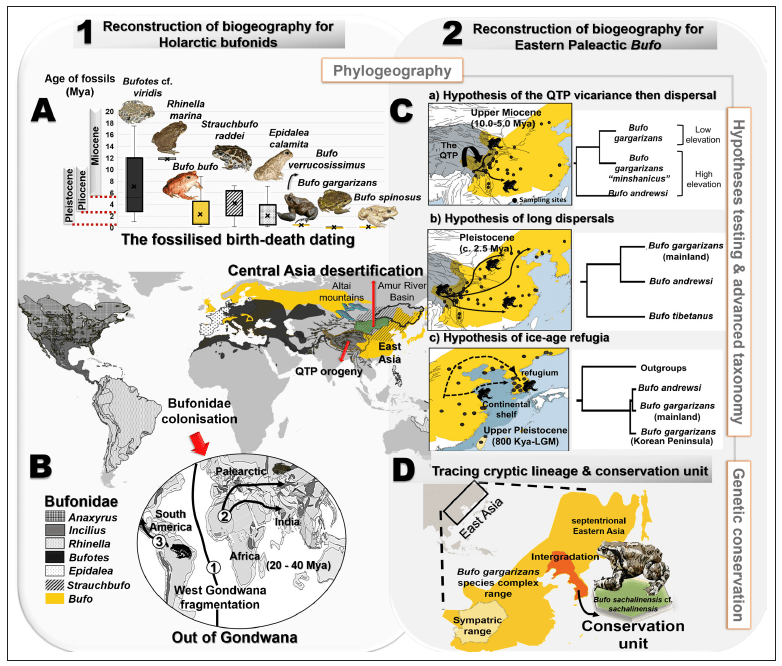
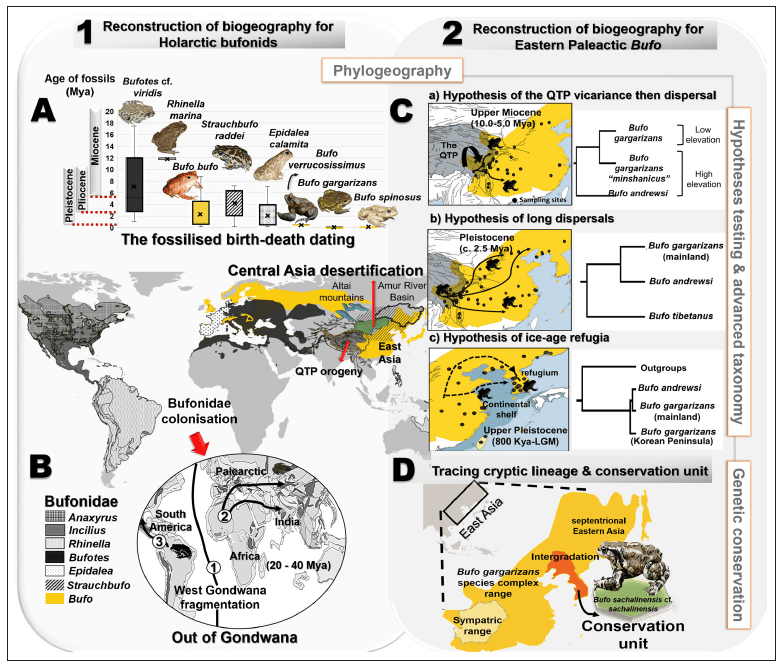
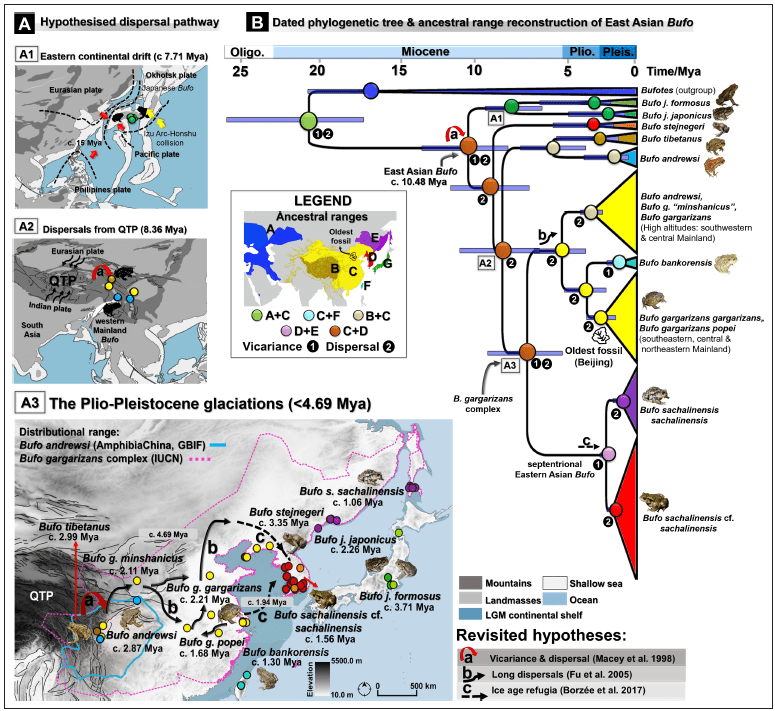
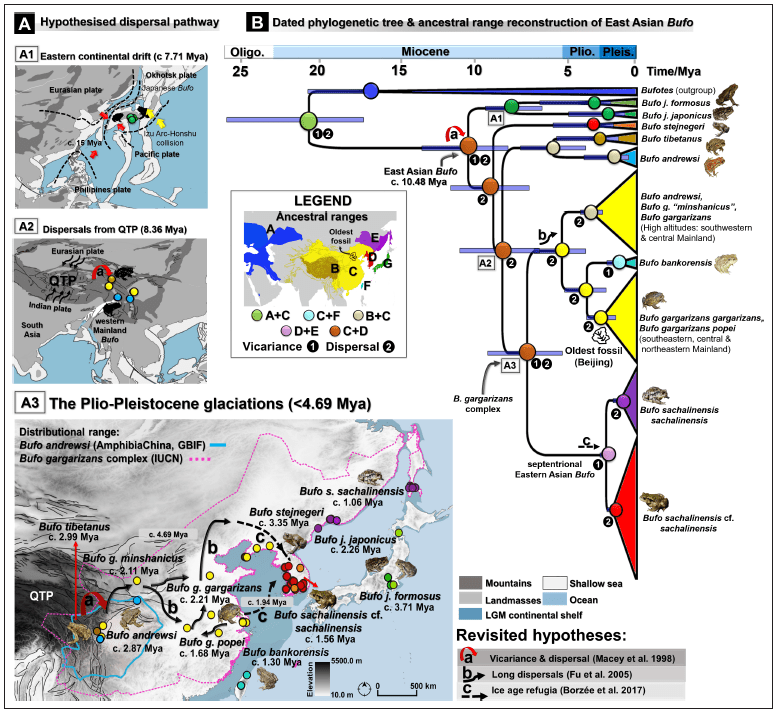
The broad geographic range of true toads (genus Bufo) in the Eastern Palearctic has resulted in hidden diversity, uncertain origins of species complexes and unclear taxonomic boundaries. To reconstruct the historical biogeography of Asian Bufo, and resolve the taxonomy of problematic species complex such as B. gargarizans in East Asia, we sampled 433 individuals across the totality of the B. gargarizans complex range.
Resolution of the diversifications of bufonids in the Holarctic and the Eastern Palearctic.
We integrated predictive phylogeographic tools and advanced taxonomy using multi-locus genetic fragments and we determined that the combined effects of long dispersal and glacial refugia resulted in deep divergence within the B. gargarizans complex. The species delimitation modelling supported the independent evolutionary lineage of the northern-most population in the species complex. The species distribution model and migration patterns suggested a difference in ecological requirements between the populations east and west of the Yellow Sea, supporting the segregation of the Bufo clade east of the Yellow Seafrom the widespread B. gargarizans.
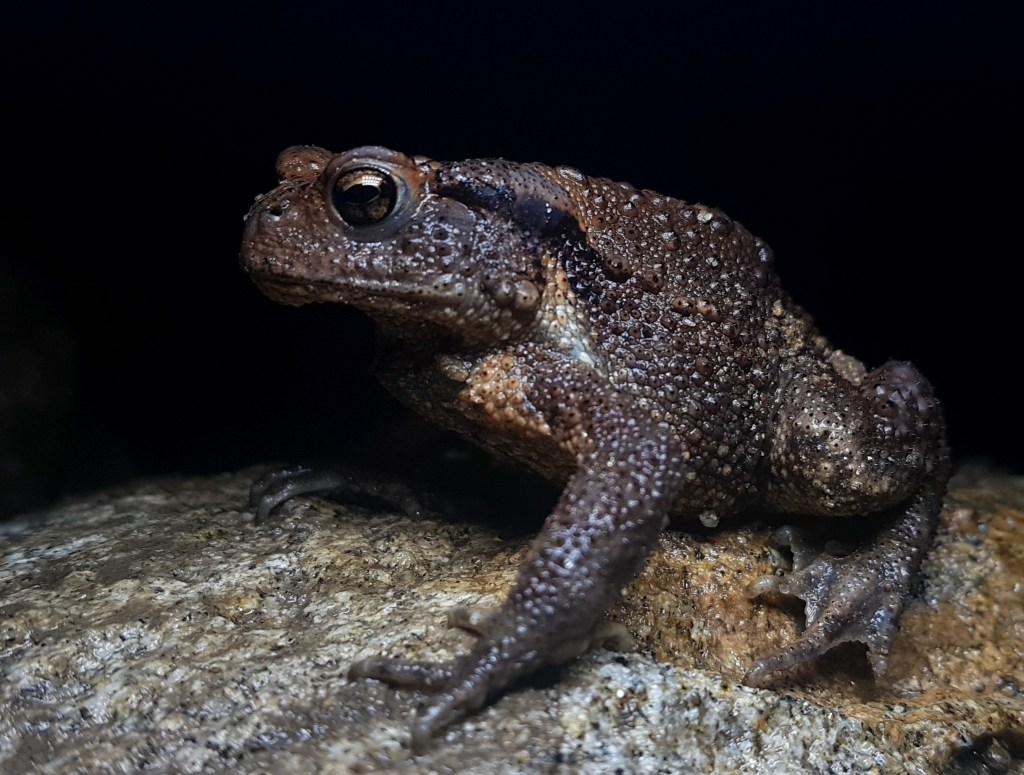
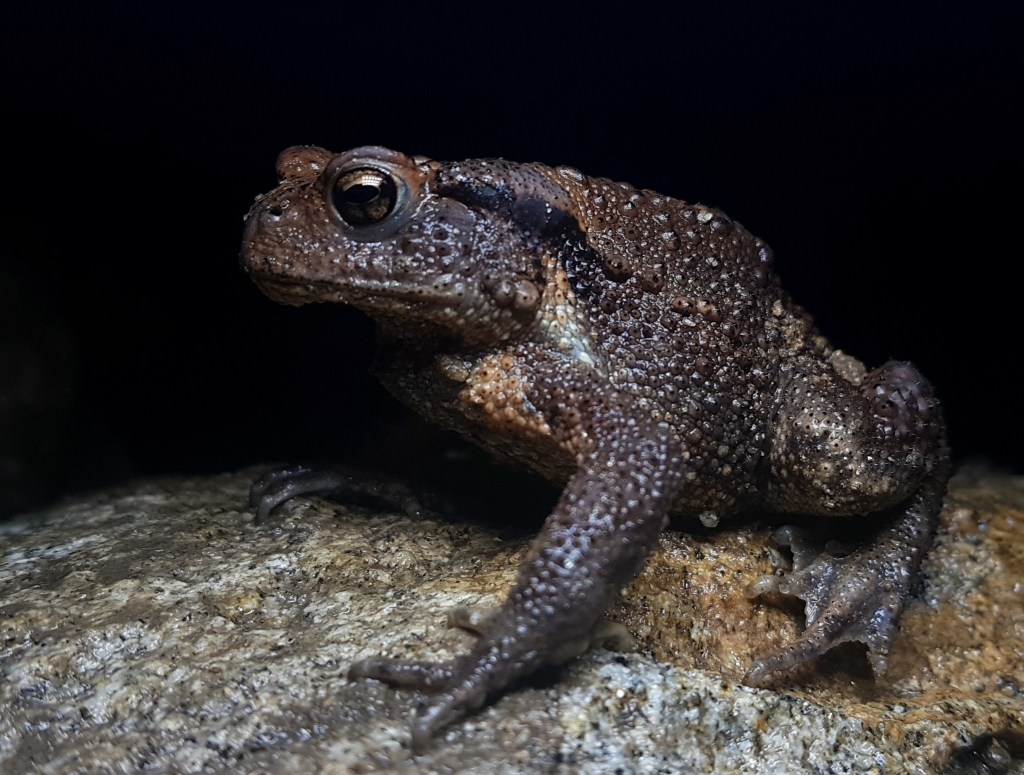
Bufo sachalinensis
Resolving the taxonomic boundaries of the B. gargarizans complex, we resurrected Bufo sachalinensis, also giving it a Chinese common name as two species from the clade are now in the nation: Dōng Běi Chán Chú. Additionally, we highlight that only B.sachalinensis occurs on the Korean peninsula and Russia, divided into two conservation units: B. sachalinensis sachalinensis in Russiaand B. sachalinensis cf. sachalinensis, in southern Korea (where the subspecies still needs to be described). We recommend a separate conservation management system to preserve these subspecies.
New publication in BioInvasions Records: “Record of invasive Rana huanrenensis and Pelophylax nigromaculatus on Ulleung Island, Republic of Korea”. A paper led by Yoonhyuk Bae.
Invasive species have a significant negative impact on the environment where they have been introduced, and amphibians are among some of worse invasive species. All known amphibian introductions are linked to human activities, generally in relation with pest control or food provisioning.
This is the case of all amphibians on Ulleung Island, Republic of Korea, which were originally and mistakenly thought to be “reintroduced” after extirpation, or introduced for unrealised purposes such as food provisioning and pest-control. We conducted call and visual encounter surveys in all valleys of Ulleung Island, Republic of Korea, in April and May 2021 to detect the presence of amphibian species. The call surveys and subsequent call analyses revealed the presence of two geographically independent populations of Pelophylax nigromaculatus, and encounter surveys resulted in the sampling of Rana tadpoles identified as Rana huanrenensis with molecular tools. These results highlight the presence of these two species at low density on this island, but do not provide data on the impact of their presence.
Introduction routes of Pelophylax nigromaculatus and Rana huanrenensis to Ulleung Island.
We recently published a short note reporting on an interspecific amplexus between Polypedates leucomystax and Rhacophorus reinwardtii with Rahayu Oktaviani, and it resulted in this cute cartoon by the incredibly talented @shirohyde!
interspecific amplexus between Polypedates leucomystax and Rhacophorus reinwardtii – all credits go to the incredibly talented @shirohyde!
We are happy to share some updates from the people in our lab working in the Himalayas, India. This week we organised an amphibian conservation talk in Mukteshwar hill town to encourage local youths and public to protect the amphibians of Himalayas. Due to COVID-19 restriction, many people couldn’t join the talk but we are glad that some passionate young nature guides of the ‘Nature in Mukteshwar’ group made it to the event. Participants were very much interested and happy to learn about frogs of their region. We believe it takes positive intent and some efforts to educate people in the right direction and with consistency locals can pick up and get well on knowledge of their own local biodiversity. Without participation of local communities, no conservation program is successful. A big thanks to Ram and Ghazala for arranging everything! This program was organised under a grant received from Rufford Foundation, United Kingdom. We hope our work in the Himalayas will ignite many young minds to start thinking to save amphibians of the Himalayas!
Participants of the workshop
Vishal Kumar Prasad giving a talkThe team supporting Vishal Kumar Prasad’s projectLandscape of Mukteshwar