
Rethinking amphibian threats in Katanga, DR Congo.
A frog-eye view of mining, cities, logging, and farming in one of Africa’s richest and least studied amphibian regions. Published in the African Journal of Herpetology by Bienvenu Wa Kila Mwale, Amaël Borzée and colleagues.

Rich in frogs, short on studies
Southern DR Congo is one of the richest places in Africa for amphibians, and yet it is one of the least studied. Katanga alone has 154 documented species, and thirty of them live nowhere else. They are found in Miombo woodlands, seasonal wetlands, savannas, and gallery forests.
But all that diversity is under pressure. Mining, growing cities, logging and farming are threatening amphiabians. And until now, nobody had sat down and asked the obvious question: which of these pressures matters most, and for which species?
That is what our new study sets out to answer.
Two different questions: who is exposed, and who is hurt?
First, we built the species list from taxonomic databases, published papers, and verified citizen-science records. Then, for each species, we worked out how likely it is that each of five big human threats affects it. To do that, we looked at three things :
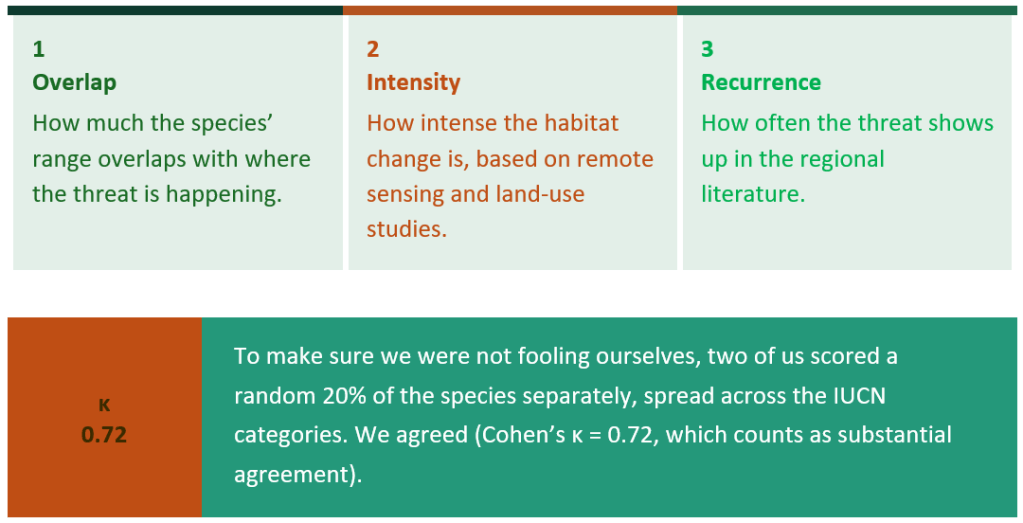
Reach is different from impact
The real key was to keep two things apart. One is prevalence: how many species are exposed to a threat. The other is severity: how hard the exposed species get hit.
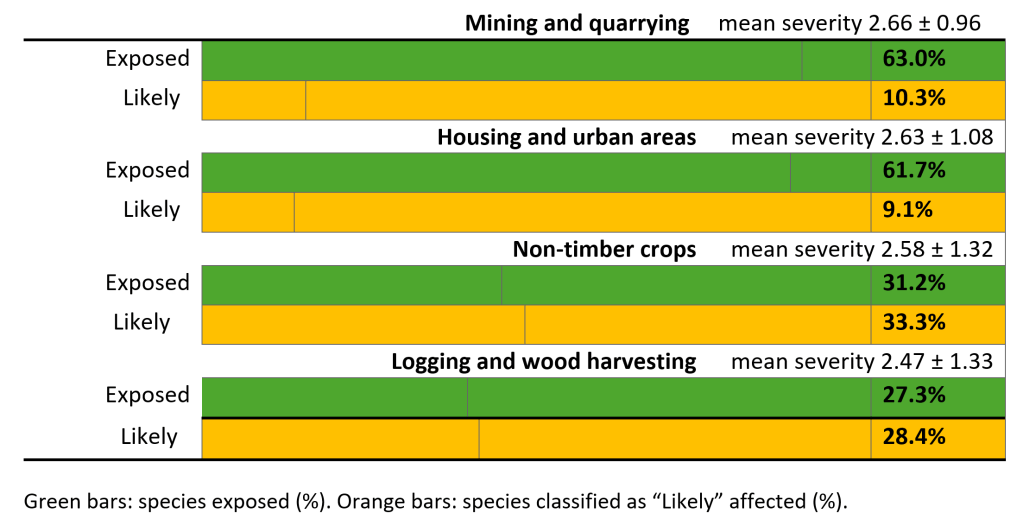
Two kinds of pressure, two different stories
Most widespread: mining and urbanisation
These are the most widespread threats. That makes sense, with the Copperbelt being so huge and cities growing all the time. But they mostly hit tolerant generalists, the tough species like Sclerophrys gutturalis, Kassina senegalensis and Amietia angolensis, which can somewhat cope with partly disturbed landscapes.
| 63.0% exposed to mining | 10.3% Likely affected |
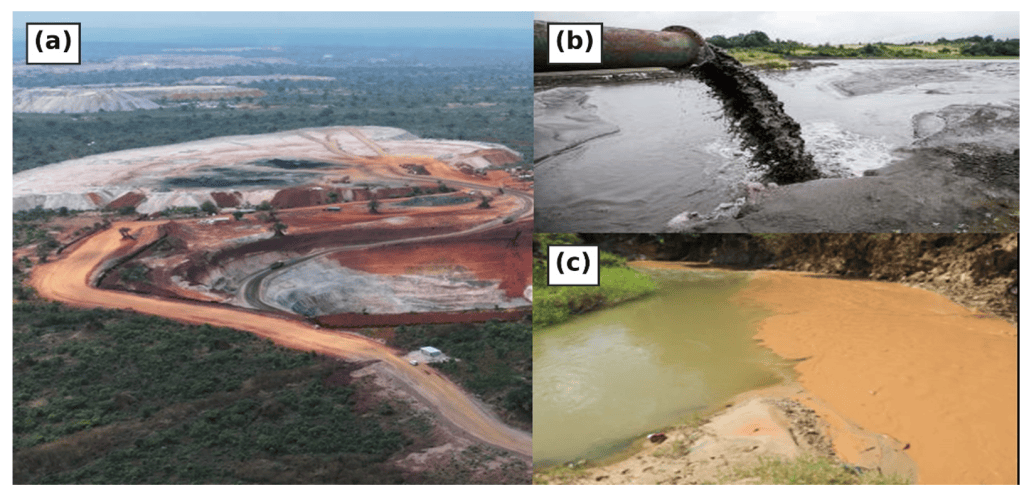
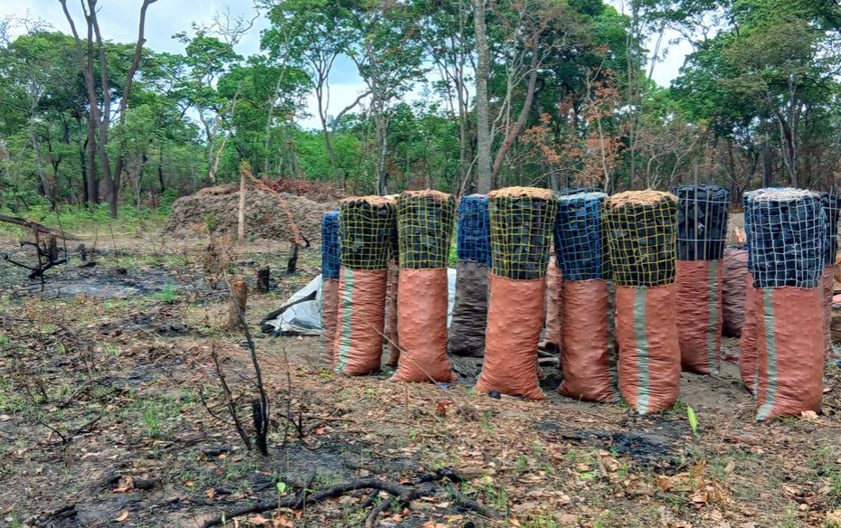
Most severe: logging and non-timber crops
They reach fewer species, but when they hit, they hit hard: gallery forests and riverside habitats are wiped out for good. And the species that depend on those places have small ranges and very specific needs, so they’re the ones most likely to see their local populations crash.
| 27.3% exposed to logging | 28.4% “Likely” affected in general | 33.3% “Likely” affected by crops |
The species we should worry about right now
Four endemic specialists really stand out. They live in small areas, they do not adapt easily, and they are exposed to activities that destroy their habitat. Put all that together and they face a much higher risk of disappearing locally.
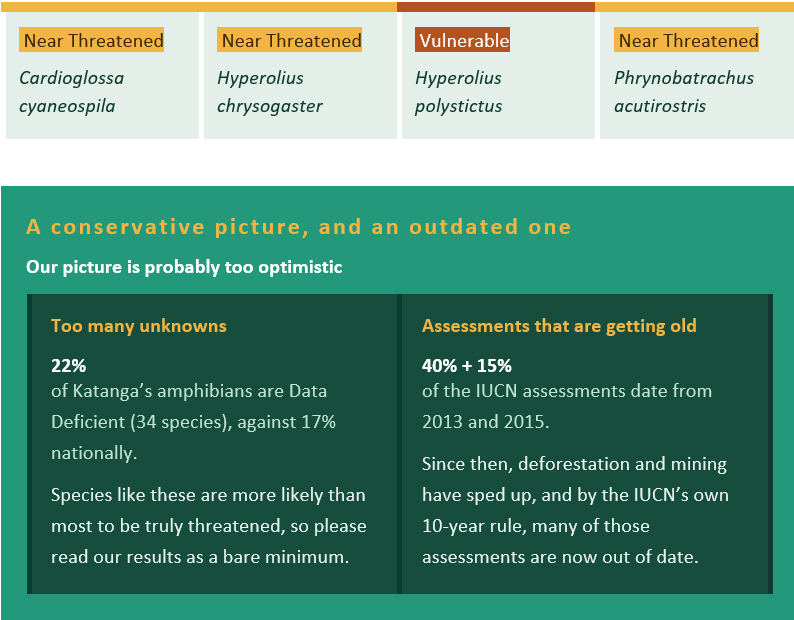
Whats next: four things we would do first
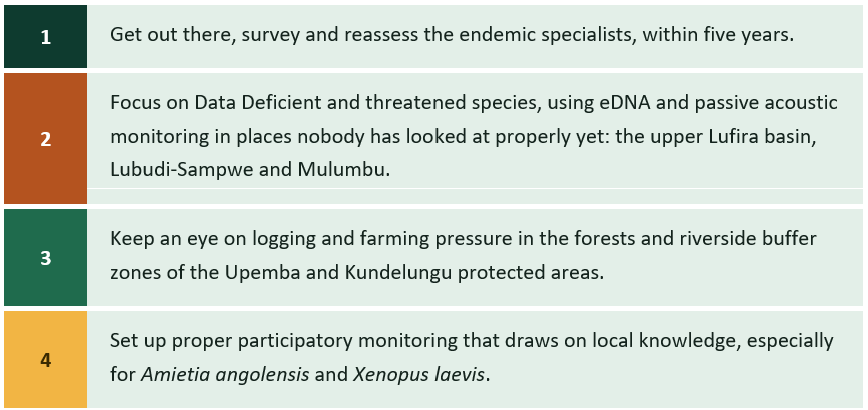
Why these matter?
Do not just chase the biggest threat. Chase the one that hurts most. Conservation planning often goes straight for the most widespread threat. It feels logical, but it can send scarce money and time in the wrong direction. Once you separate prevalence from severity, managers get a practical way to choose which species and sites to prioritise. And it is not just for Katanga: the same approach can work in any region where data are thin.
Read the paper: Mwale BWK, Mukabila Kabongolyo D, Duse Dukuku F, Kaya Bwana HH, Wats’okla IS, Kaseya Kazaba P and Borzée A (2026). Regional threat assessments for amphibians of Katanga in the Democratic Republic of the Congo. African Journal of Herpetology. https://doi.org/10.1080/21564574.2026.2687372


