

Micro-endemic 계통지리와 분류
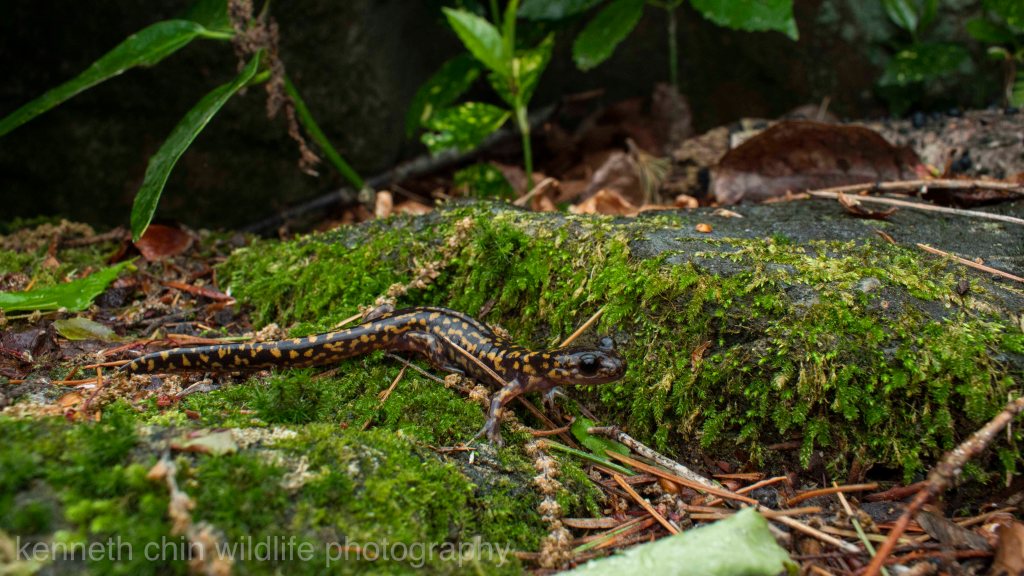
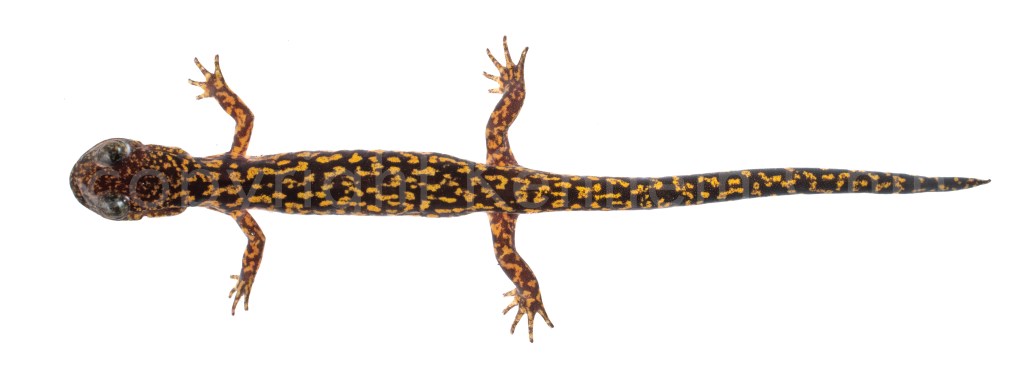
양산꼬리치레도롱뇽 (Onychodactylus sillanus)은 한국의 경상남도 동면 사송리에서 발견되었습니다. 양산꼬치리레도롱뇽은 한국꼬리치레도로뇽 (O. koreanus)과 약 682 만년 전에 분화되었습니다. 양산꼬리치레도롱뇽은 한국의 남동부 지역, 특히 양산과 밀양 사이에서만 발견됩니다. 이 지역 외에서는 서식지가 부적합하기 때문에 발견될 가능성이 낮습니다.
The Yangsan Clawed Salamander, Onychodactylus sillanus, was described from Sasong, Yangsan, in the Republic of Korea (Borzée et al., 2022). The species diverged from O. koreanus 6.82 mya (Suk et al., 2017). The Yangsan Clawed Salamander is restricted to the southeastern South Korea, ranging between Yangsan and Miryang, and it is not likely to be present outside of this area as the habitat is not suitable.
Ecology 생태
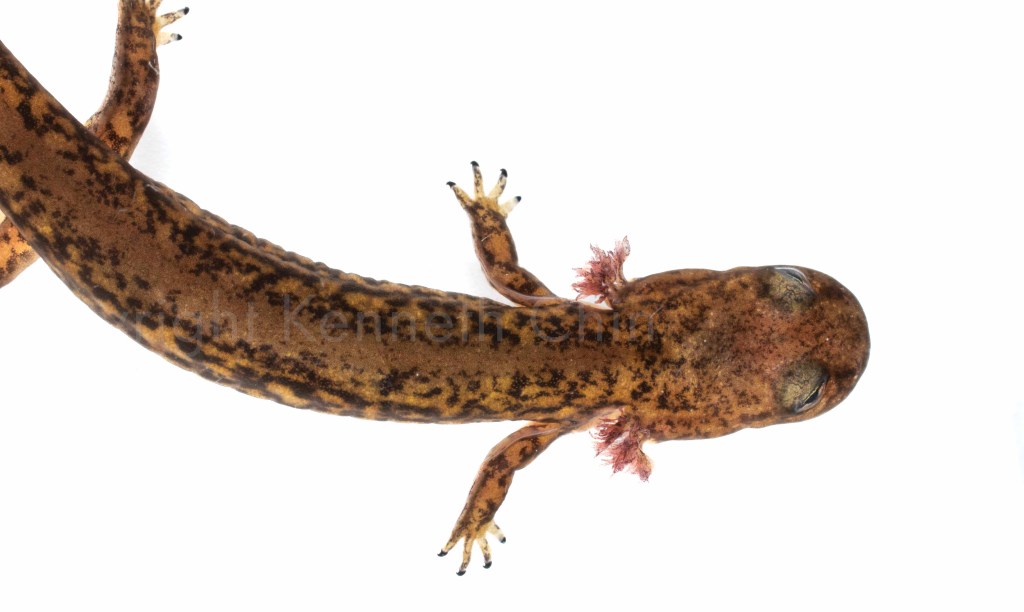
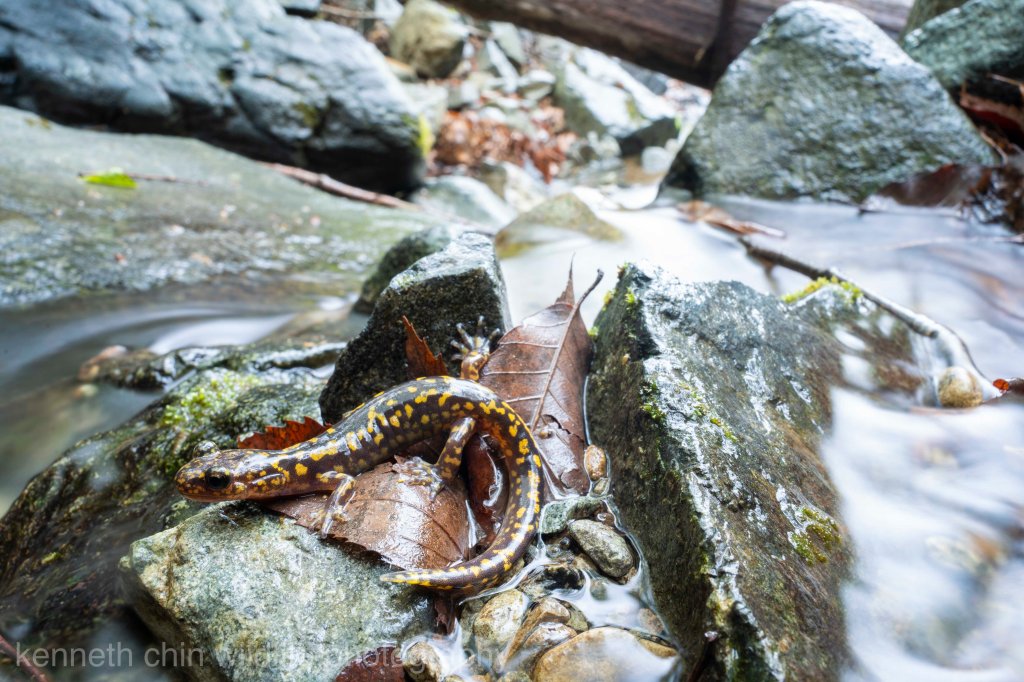
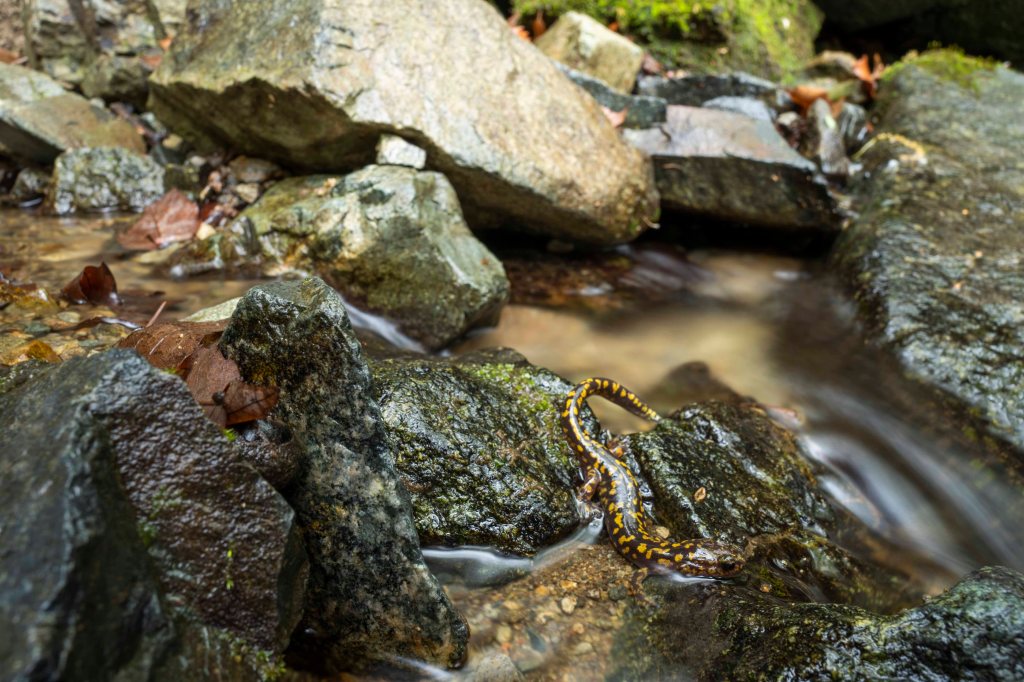
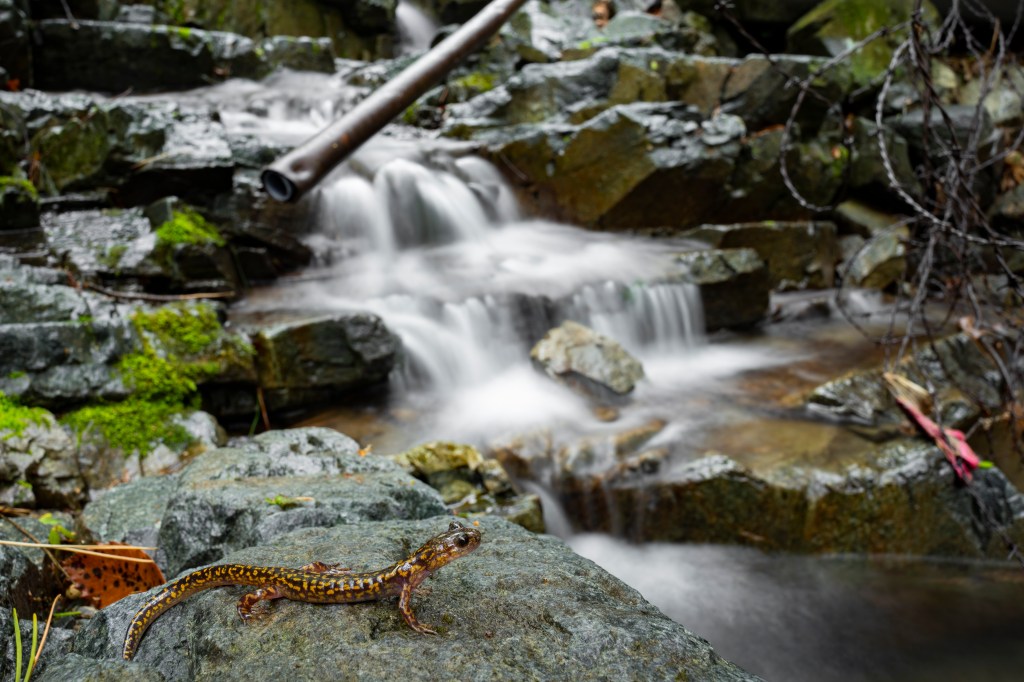
양산꼬리치레도롱뇽은 적정 온도만 유지되면 일 년 내내 활동이 가능합니다. 번식은 보통은 3월에 시작되며, 유생 단계에서 성체로 성장할 때까지는 몇 년이 걸리지만 올챙이로서 마지막 단계인 개체는 4월부터 변태가 시작됩니다. 습하고 따뜻한 밤에, 준성체인 양산꼬리치레도롱뇽은 계곡으로 분산될 수 있습니다. 양산꼬리치레도롱뇽은 고리도롱뇽 (Hynobius yangi), 옴개구리 (Glandirana emeljanovi), 큰산개구리(Rana uenoi)과 서식지가 겹치며 양산꼬리치레도롱뇽의 유생은 다른 종들의 올챙이와 수서곤충들을 먹을 수 있습니다.
Yangsan Clawed Salamanders are active all year round if the temperature allows. Adults start breeding in March and while development takes several years, juveniles of the previous year can start metamorphosing from April. Juveniles can disperse away from streams during wet warm nights. The species is sympatric with Hynobius yangi, Glandirana emeljanovi and Rana uenoi, with larvae potentially feeding on the larvae of the other species, and freshwater invertebrates.

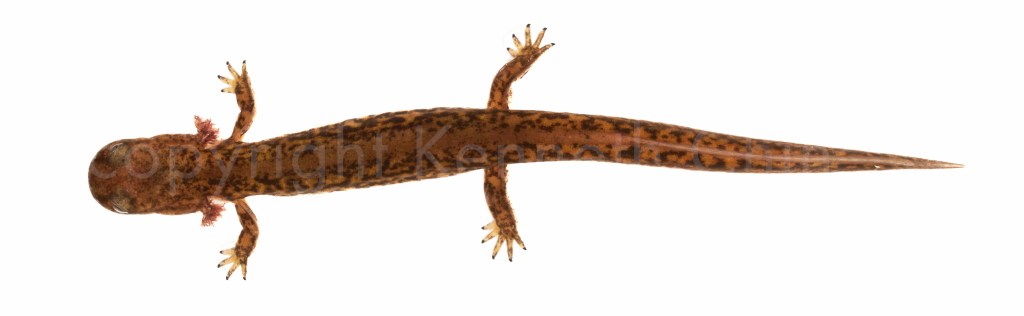
Larvae


Developing larvae
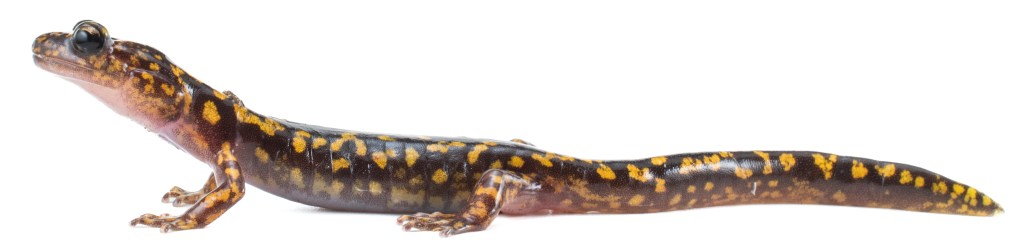
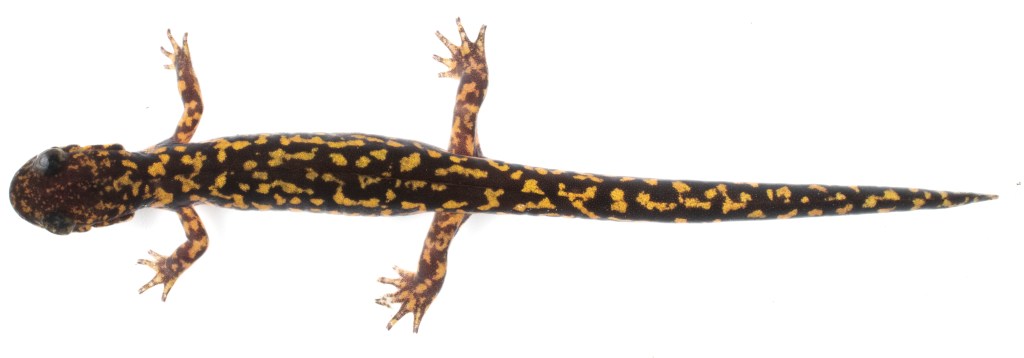
Young adult
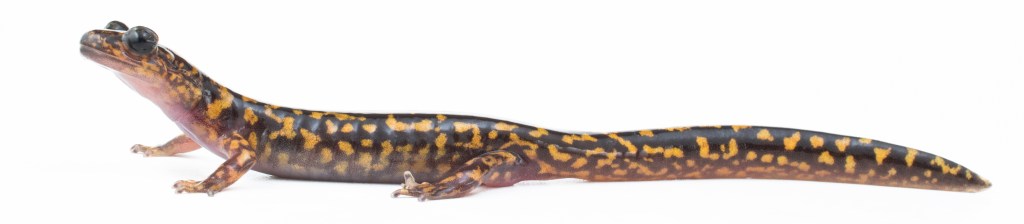
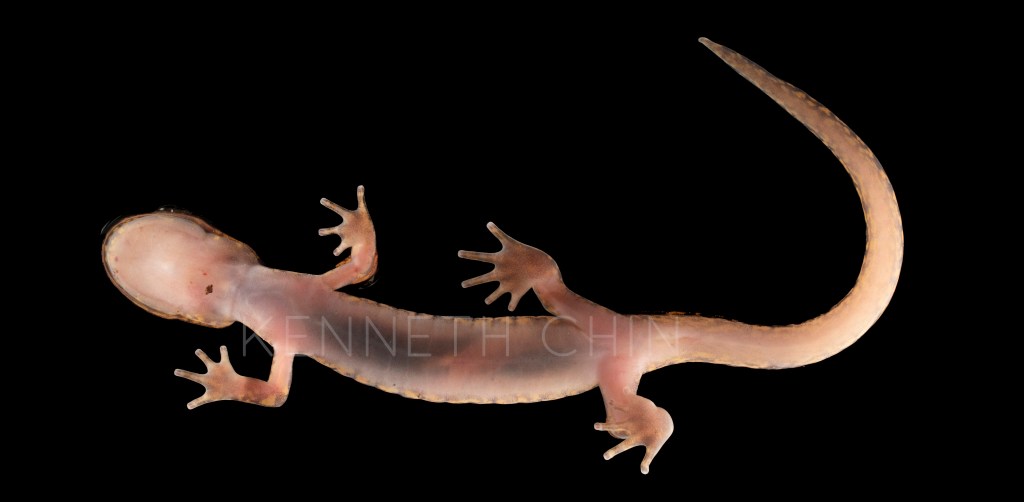
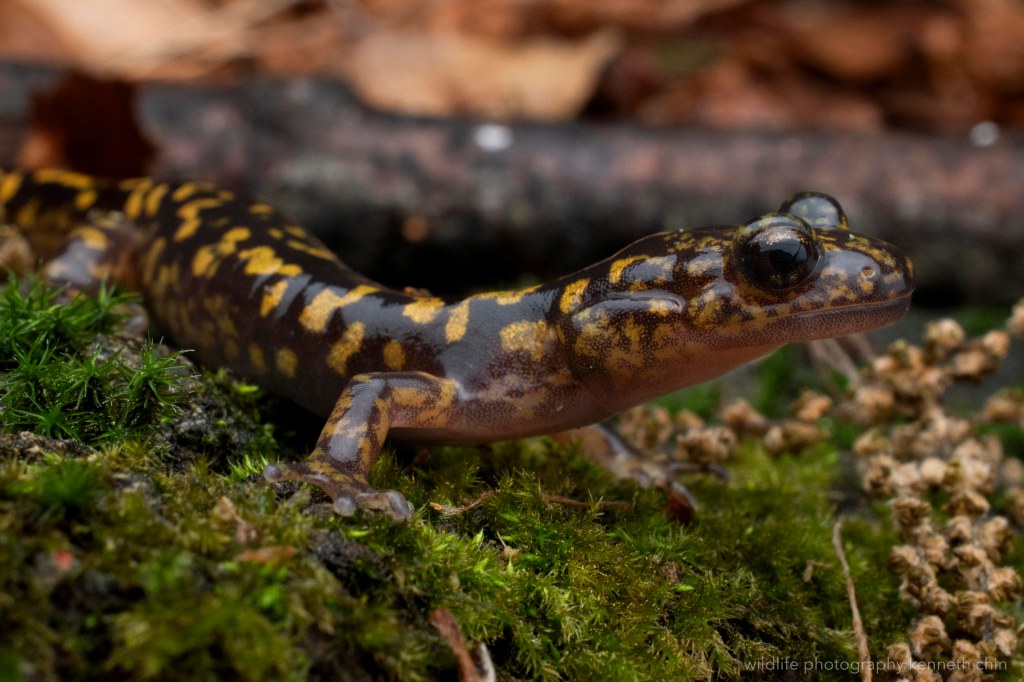
Adult
Critically Endangered 보전
양산꼬리치레도롱뇽의 주요 위협 요인은 사람들의 인프라 구축으로 인한 서식지 파괴입니다. 분포 범위는 수백 km 이내로 제한됩니다. 또한, 양산꼬리치레도롱뇽은 주로 계곡에 서식하며 일 년 내내 대부분의 분포지역에 나타나지 않습니다. 기후 변화와 개발로 인해 이미 작은 범위에 서식하는 양산꼬리치레도롱뇽은 더욱 줄어들 것이라 예상됩니다. 결과적으로 양산꼬리치레도롱뇽은 매우 심각한 멸종 위기에 처한 종으로 간주됩니다.
Onychodactylus sillanus is primarily threatened by habitat loss because of human infrastructures (Borzée et al., 2022) and its distribution is within the range of the 100 of kilometres. In addition, the species is restricted to streams for most of the year, and thus not present in most of the area, and its small range is predicted to shrink further because of both development and climate change (Borzée et al., 2022). Onychodactylus sillanus is likely Critically Endangered.
 Laboratory of Animal Behaviour and Conservation