
Phylogeography and taxonomy 계통지리 및 분류
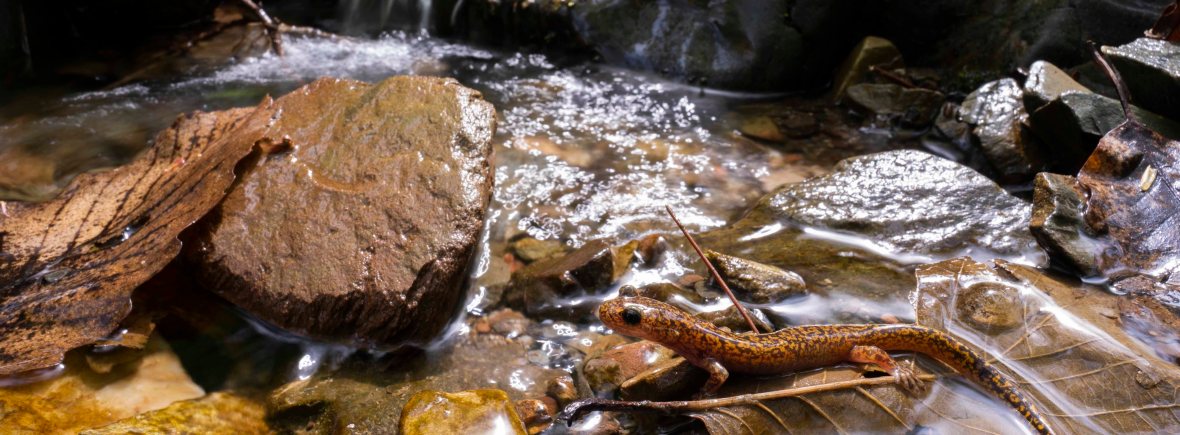
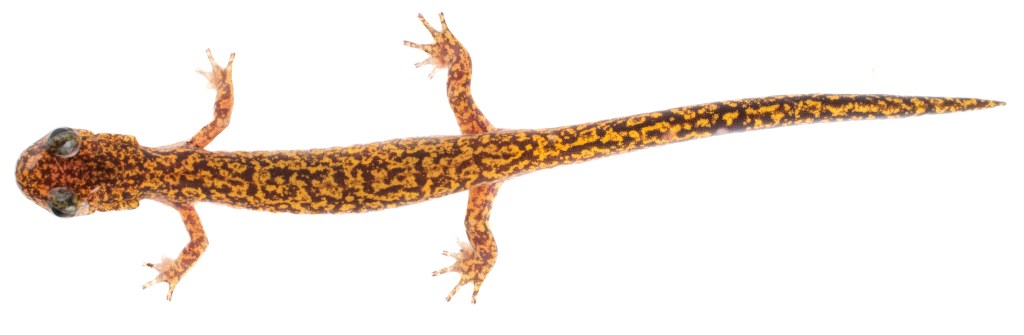
한국꼬치리레도롱뇽(Onychodactylus koreanus)은 한국의 강원도 삼척에서 발견되었습니다. O. zhaoermii와 공통된 가계에서 진화되었습니다. 한국꼬리치레도롱뇽은 백두대간을 포함한 지리산, 덕유산, 송리산, 태백산, 오대산, 설악산 등 다양한 산악 지형에서 발견됩니다. 서식지 범위는 북한의 남쪽 지역부터 한국의 전라도 지역까지 입니다.
The Korean Clawed Salamander, Onychodactylus koreanus, was described from Samcheok in South Korea. It evolved from a common lineage it shares with O. zhaoermii. The species is found in various mountainous regions, including the Baekdudaegan range, Jiri, Deokyu, Songni, Taebaek, Odae, and Seorak mountains. Its range extends from southern DPR Korea to southern South Korea in South Jeolla province.
Migrators during the rainy season 생태

한국꼬리리체도롱뇽은 강우량이 많은 날 많은 수가 이동을 합니다. 이와 같은 현상은 번식과 연관이 있을 수 있으며 기온이 영하로 내려갈 때까지 활동합니다. 번식 활동에 관련해서 많은 연구가 되어있지 않습니다. 많은 수의 수컷이 암컷보다 먼저 도착하며 5월에 번식지로의 이동을 시작합니다. 번식기는 6월에 시작되며 성체들은 100마리 이상의 개체들이 동시에 출현하는 장소에서 공과 같은 모습 형성하며 짝짓기를 합니다.
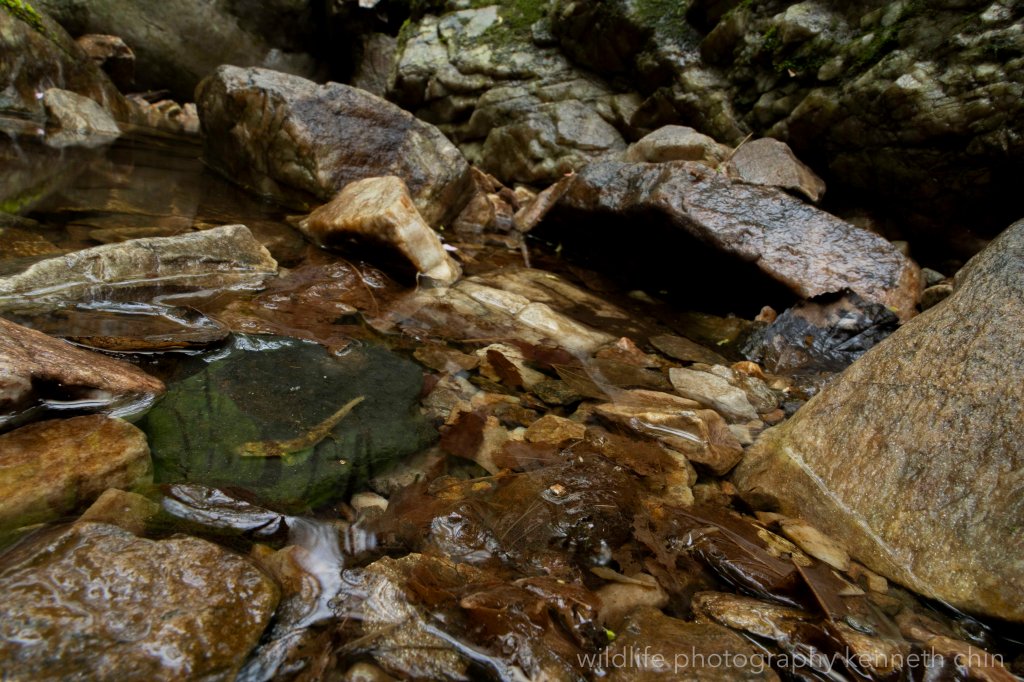
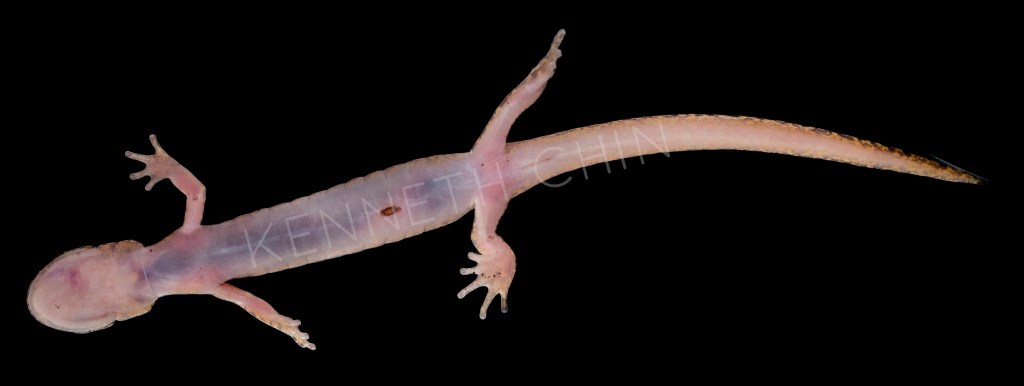
Onychodactylus koreanus migrates in large numbers during rainy fall nights, maybe in relation to reproduction, and the species is active until temperatures reach just above freezing. Only limited knowledge about their breeding activities is available. Males arrive earlier and in greater numbers than females, starting in May. Breeding occurs in June, with adults forming mating balls at sites where more than one hundred individuals can be present simultaneously. Male parental care includes ventilating the egg sacs with their hind legs. Eggs hatch after one month, and larvae develop for two to three years.

Larvae


Sub-adult

Adult
Sensitive Habitat 민감한 서식지

한국꼬리치레도롱뇽은 계곡에 제한적으로 서식하며 서식지 변화에 적응이 불가능합니다. 예측모델에서는 한국꼬치리레도롱뇽이 서식할 수 있는 서식지가 기후변화로 인해 줄어들 것으로 예상되었고, 이 종은 특히 기후변화에 매우 취약합니다. 전세계적으로 멸종위기 종에 처한 종은 아니지만, 많은 지역에서 개체수가 감소하고 있습니다, 일부 보호 지역에서도 서식하고 있지만 한국에서는 멸종위기 종으로 지정되야할 필요성이 높습니다.
The species is limited to stream habitats and is unable to adapt to changes in habitat. It is greatly affected by climate change, with models predicting a significant decrease in available habitat. While not globally at risk, the population at many sites is declining, making it likely to be a threatened species in South Korea, despite its presence in some protected areas.
 Laboratory of Animal Behaviour and Conservation