

Phylogeography and taxonomy 계통지리와 분류
고리도롱뇽(Hynobius yangi)은 한국의 장안에서 발견되었습니다. 고리도롱뇽은
플라이오세 초기에 분화되었으며, 한국 남동부 경상 유역의 매우 제한적인 범위에서
서식하고 있습니다. 서식지 범위는 부산, 양산, 울산 등의 대도시와 경계를 이룹니다.
Hynobius yangi, or Kori Salamander, was described from Jangan in South Korea. The
species diverged in the early Pliocene, and it occurs across a very restricted range in the Gyeongsang Basin are in the extreme southeastern South Korea. Its range is bordered by the metropolises of Busan, Yangsan and Ulsan.
Ecology 생태
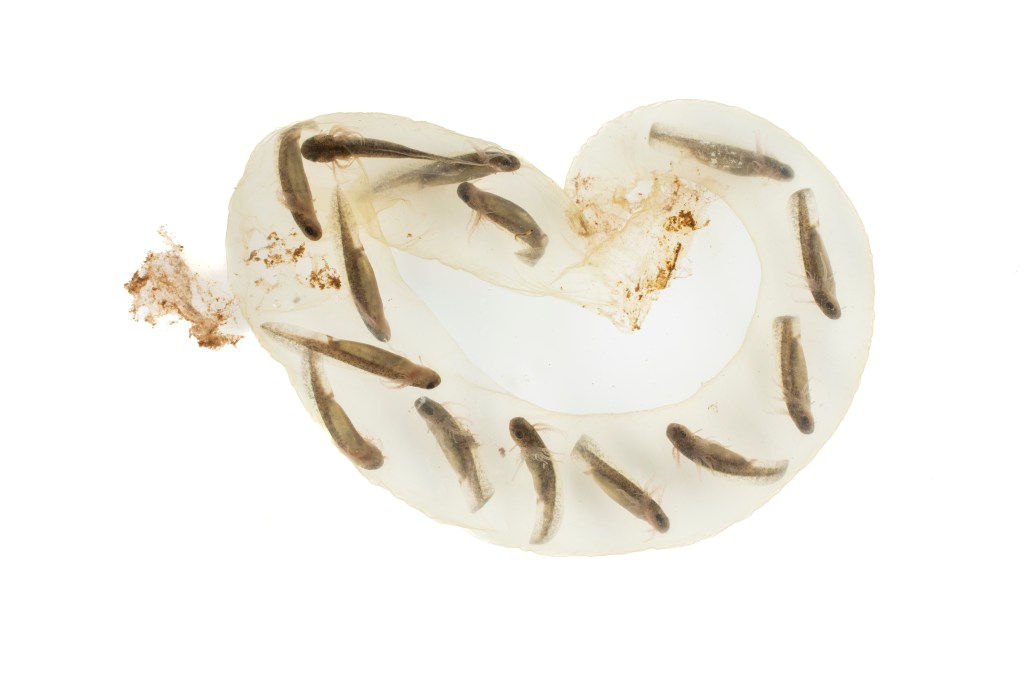
고리도롱뇽의 산란 활동이 가장 왕성한 시기는 3월 중순이며 번식 행동은 일반적으로
도롱뇽(H. leechii)과 비슷합니다. 일부 알은 완전히 정체된 습지에 바닥에서도
관찰됩니다. 암컷은 3년 차에 성적으로 성숙하게 되지만 수컷은 더 일찍 번식에
참여할 수 있으며 수명은 약 10~11년입니다. 고리도롱뇽은 11월까지 활동하며
1월부터 동면에서 깨어납니다.
The species’ peak spawning activity is in mid-March, with a breeding behaviour generally similar to that of H. leechii. Some eggs are left at the bottom of the water body in totally stagnant environments. Females reach sexual maturity at three years old, but males can breed earlier, and the lifespan is 10 to 11 years. The species is active until November, and emerges from hibernation from January.




Conservation

고리도롱뇽은 서식지 파괴로 인해 위협을 받고 있으며, 광범위한 서식지 변화에
적응할 수 없으며, 농업으로 인해 발생하는 화학 물질에도 영향을 받고 있습니다.
또한 주변 도시의 개발과 기후 변화로 인해 현재 고리도롱뇽의 서식 범위가 감소하고
있습니다. 개체수가 급감하고 있어서 국내 및 전세계적으로 멸종위기종으로 지정되어
있습니다.
The species is threatened by habitat loss, it cannot cope with extensive habitat
changes, and it is impacted by chemicals resulting from agriculture. In addition, the current range of the species is declining because of urban development in surrounding cities, and because of climate change. As the species is quickly decreasing in population size, it is listed as Endangered nationally and globally.
 Laboratory of Animal Behaviour and Conservation