
Phylogeography and taxonomy 계통지리와 분류
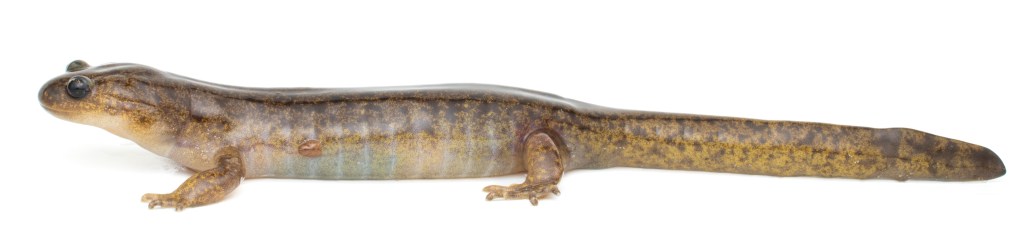
남방도롱뇽(Hynobius notialis)은 한국의 경상남도 거제시 장목면에서 발견되었습니다.
남방도롱뇽은 서쪽으로는 광야에서 해안가를 따라, 동쪽으로는 마산 북동쪽으로는
함안, 북서쪽으로는 지리산 자락까지 분포합니다.
Hynobius notialis, the Southern Korean Salamander, was described from Jangmok in South Korea. The Southern Korean Salamander is distributed from Gwangyang in the west, along the coastal area until Masan in the east, until Haman in the northeast and to the feet of Jiri Mountain in the northwest.

Ecology 생태
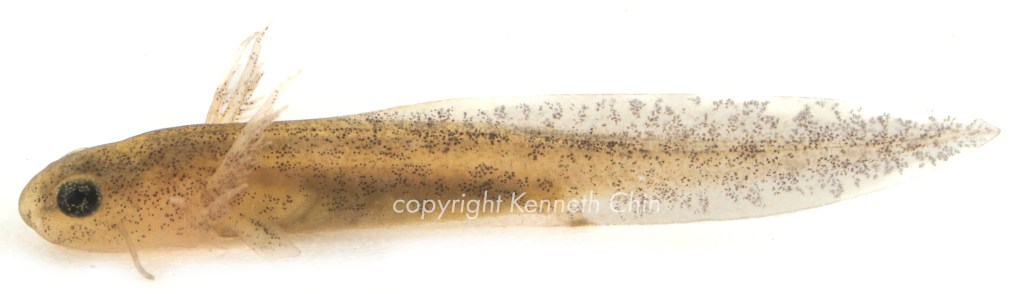
남방도롱뇽의 최대 번식기는 3월 중순이며, 서식지의 다양성으로 인해 번식 행동이
다양하며, 알주머니 부착하지 않고 바위 아래에 강한 줄기에 낳습니다. 동면은 11월
중순에 시작되며 1월 말부터 출현합니다.
The peak breeding season of the species is in mid-March, and the species breeding behaviour is variable due to the variety of habitat, with egg sacs deposited without attachment to egg sacs with a strong stalk under rocks. Hibernation is starts around mid-November and emergence takes place from late-January.


Conservation 보전
남방도롱뇽의 수많은 대도시들로 인해 분포 범위가 제한되어 있으며 서식지 변화에
적응할 수 없습니다. 서식지와 번식 생태 모두에 영향을 미치는 기후 변화로 인해
자연 서식지 또한 감소하고 있습니다. 남방도롱뇽은 서식지가 국한되어 있고
개체수가 감소하고 있기 때문에 멸종 위기에 처할 가능성이 높습니다.
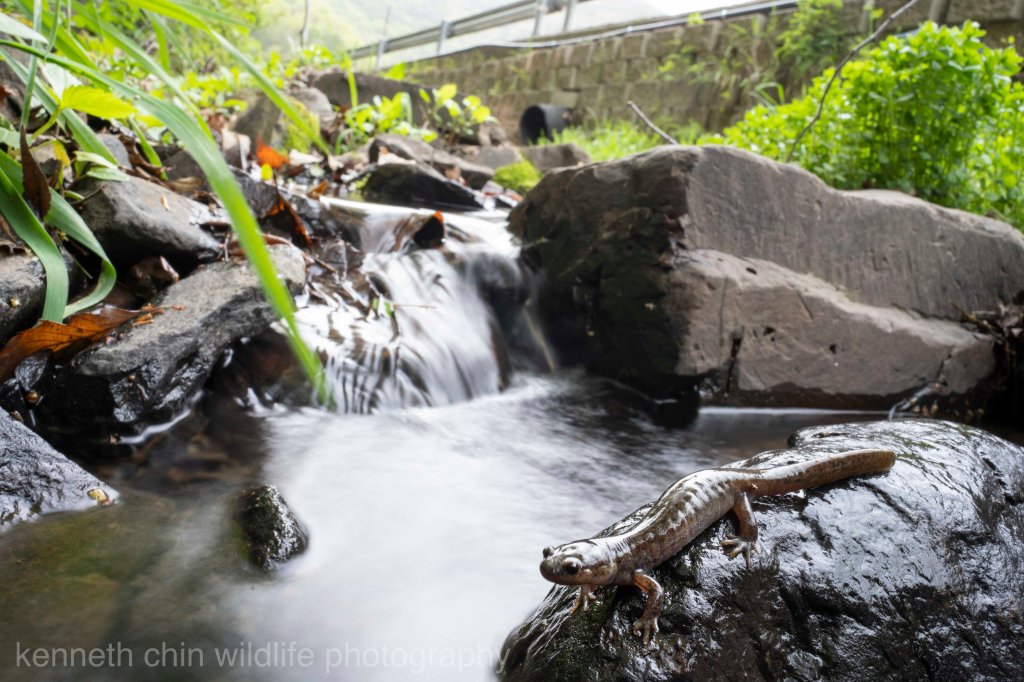
The distribution of the species is restricted by numerous large cities as it cannot cope with extensive habitat changes. The natural habitat is also declining due to climate change impacting both habitat suitability and breeding phenology. The species is likely to be Endangered as it is restricted to a small range and the population is size declining.
 Laboratory of Animal Behaviour and Conservation