
Phylogeography and taxonomy 계통지리와 분류

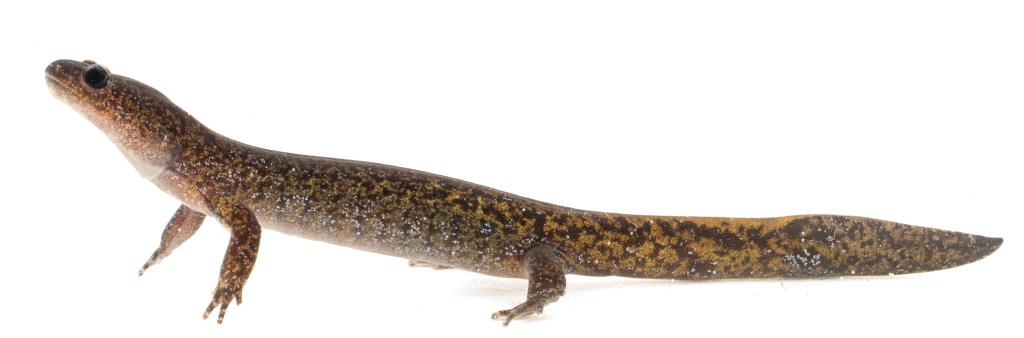
거제도롱뇽(Hynobius geojeensis)은 한국의 남쪽 지역 거제도에서 발견되었습니다.
거제도롱뇽은 남방도롱뇽(Hynobius perplicatus)과 계통학적으로 가깝습니다.납니다.
거제도롱뇽은 거제도에만 국한된 고유종으로 제한된 범위의 거제도의 북쪽에서는
남방도롱뇽과 함께 나타나는 종입니다.
Hynobius geojeensis, or Geoje Salamander, was described from Geoje Island on the southern tip of South Korea. The species is clustered with Hynobius perplicatus. The Geoje Salamander is a microendemic species restricted to Geoje Island, and it is sympatric with Hynobius notialis in the northern part of its limited range.
Ecology 생태
거제도롱뇽은 2월 말부터 번식지에서 활동하며 3월 중순에서 4월 중순 사이에
산란합니다. 거제도롱뇽의 번식 생태는 다른 Hynobius속의 도롱뇽들과 유사할 것으로
예상됩니다. 알은 매우 튼튼한 알집을 갖고 있어서 돌 틈 사이에 고정하거나 물살이
거의 없는 습지에서 알집이 부착되지 않은 채로 있을 수 있습니다. 거제도롱뇽은 11월
말까지 따듯한 날에 활동하며 따뜻하고 습한 날에는 1월 중순에도 출현합니다.
The species is active at the breeding sites from late February, and spawning between mid-March and mid-April. The breeding ecology of the species is not expected to differ from the other Hynobius of the region. The eggs can have very sturdy egg stalks to anchor them under rocks in cavities, or unattached stalks in lentic habitats. The species is active on warm days as late as late November, and emerging in mid-January in warm and humid days.
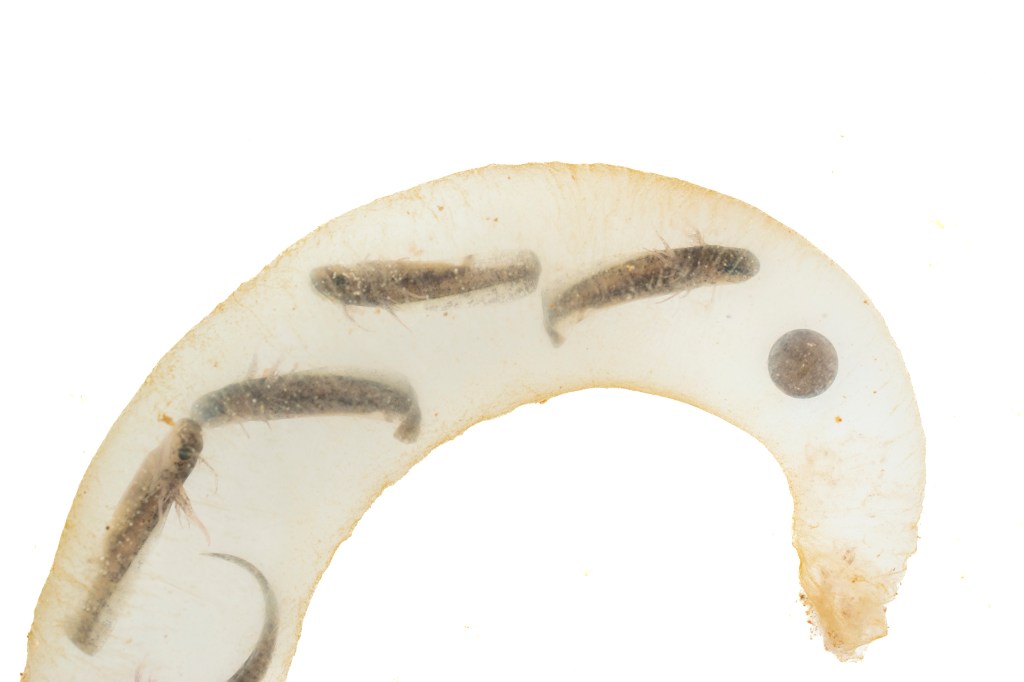
Eggs – Unhatched larvae

Larvae

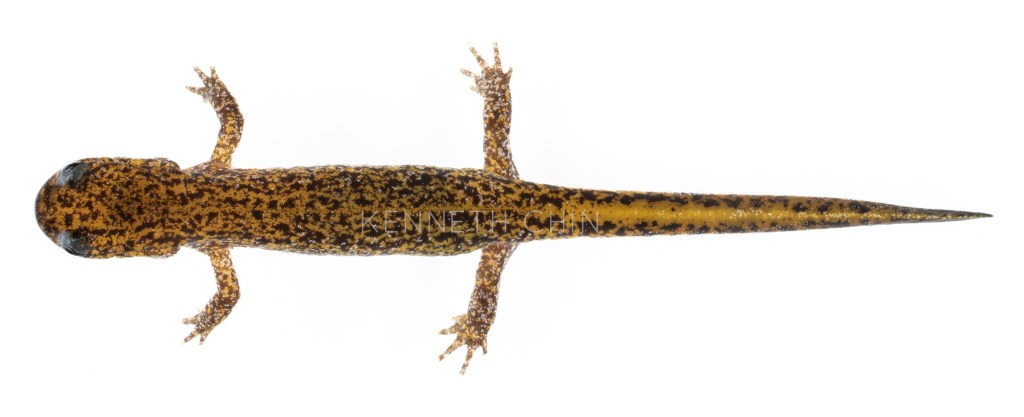
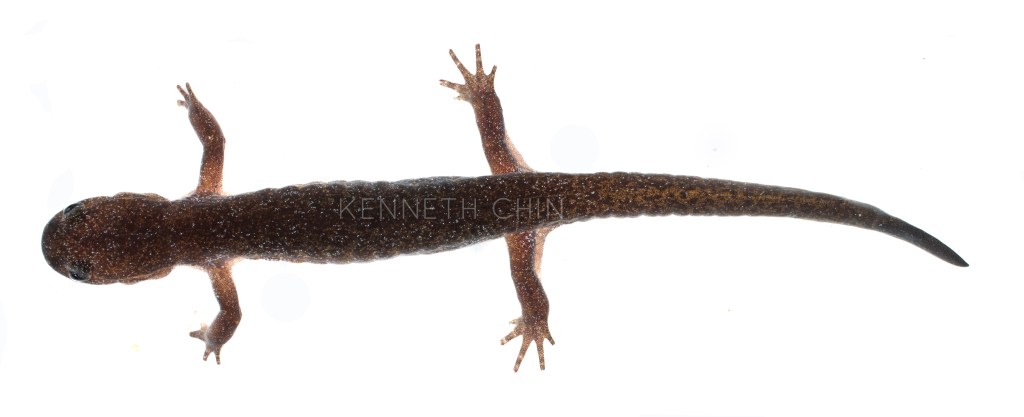
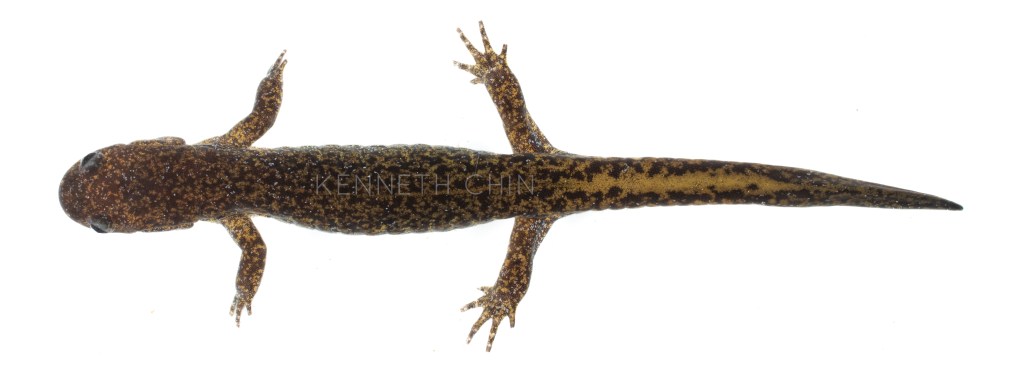
Adult

Conservation 보전
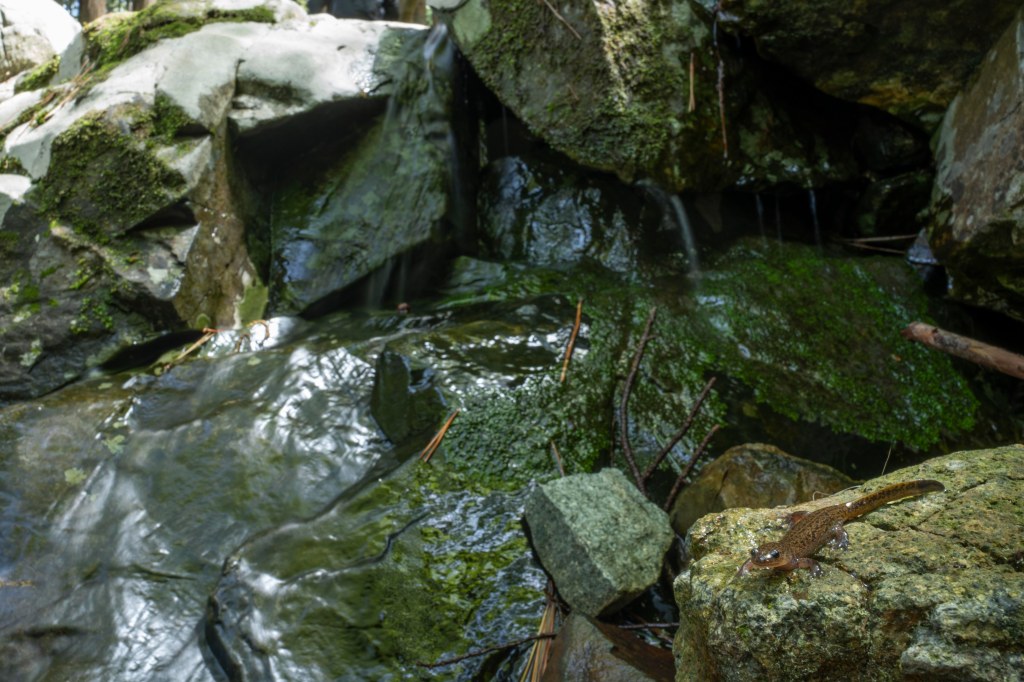
거제도롱뇽은 광범위한 서식지 변화에 적응할 수 없지만, 알려진 범위의 대부분이
골프장 개발 계획으로 인해 위협을 받고 있습니다. 또한 이미 제한적인 서식 범위는
섬의 개발로 인해 영향을 받고 있으며 기후 변화의 영향도 받고 있습니다.
거제도롱뇽은 앞으로 멸종 위기종으로 등재될 가능성이 높습니다.
The species cannot cope with extensive habitat changes, but most of its known range has been earmarked for the development of golf fields. In addition, the already restricted range of the species is impacted by development on the island, and it is also impacted by climate change. The species is likely to be listed as Critically Endangered.
 Laboratory of Animal Behaviour and Conservation